Description
Green Taro for Sale — Giant Elephant Ear Tropical Drama for Pond Margins and Water Gardens
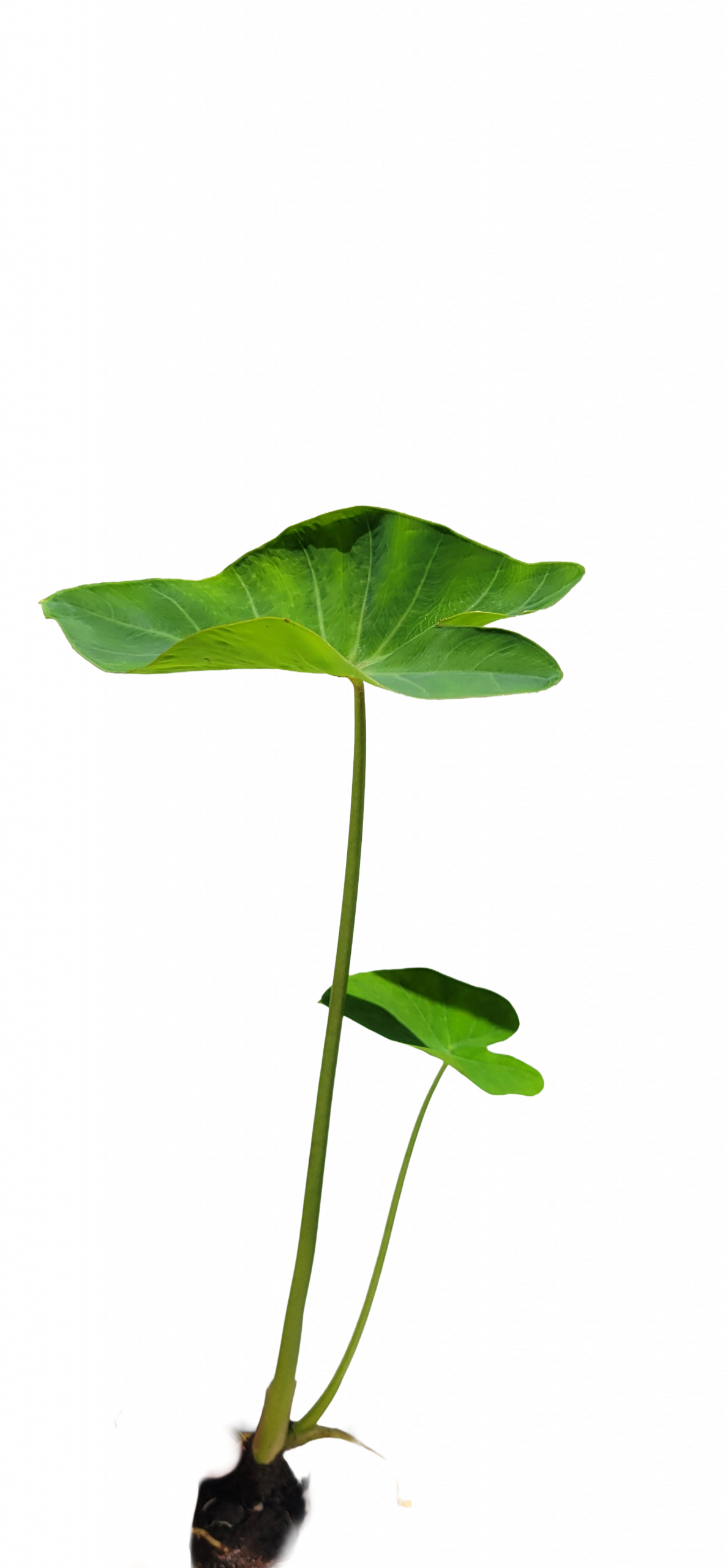
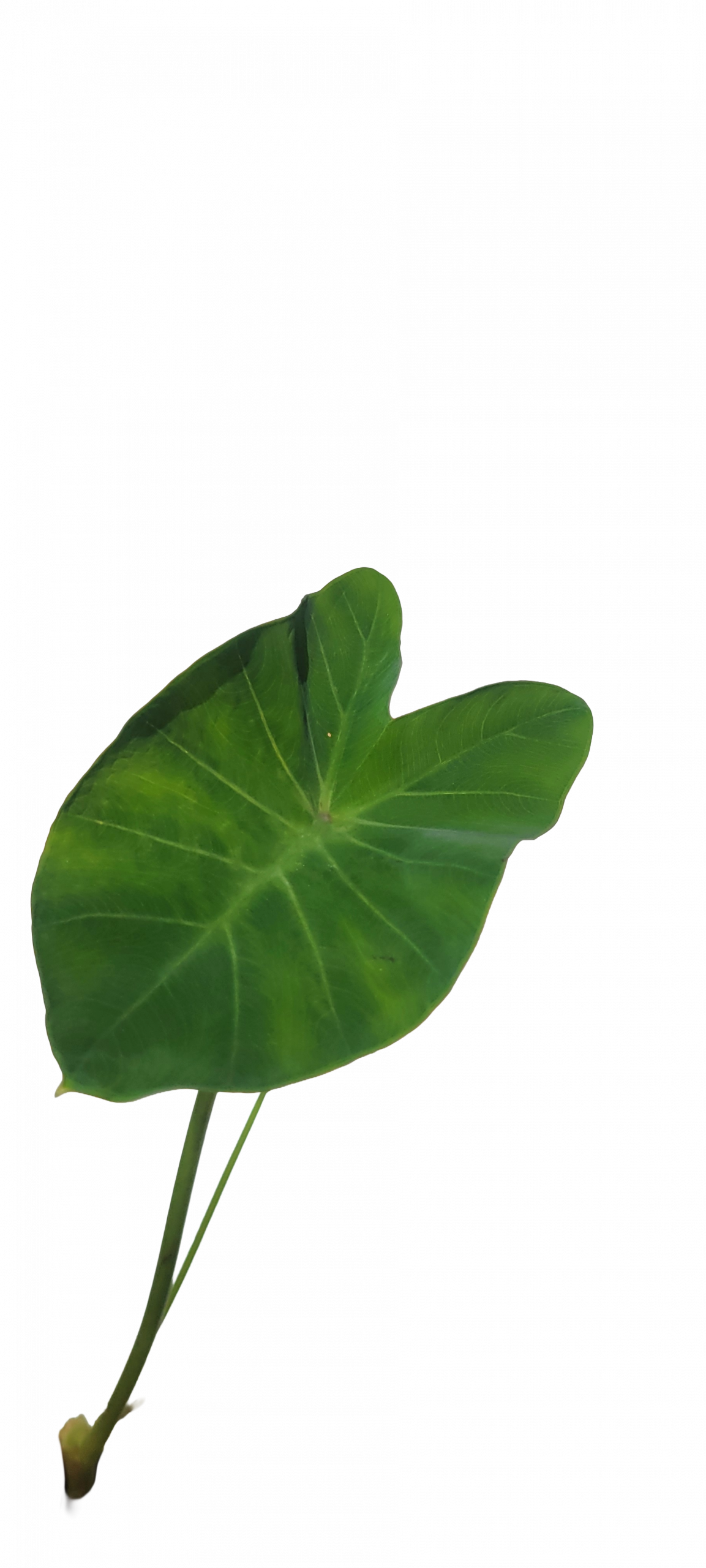
If you’ve been searching for Green Taro for sale, Quinn’s Fins grows Colocasia esculenta — commonly known as Green Taro, Elephant Ear Taro, Taro, or Kalo — right here in our on-site nursery greenhouse. Green Taro is one of the oldest cultivated plants in human history — a food crop and cultural cornerstone of Pacific Island, Asian, and African civilizations for over 5,000 years — and one of the most immediately striking tropical pond marginals available for water gardens in any climate that can support it. Its enormous heart-shaped velvety dark green leaves emerge in waves of fresh tropical color, growing up to 24 inches wide on gracefully drooping petioles that reach 3 feet or more — creating a lush, dramatically large-scale tropical presence at the pond edge that is impossible to overlook. An RHS Award of Garden Merit recipient, Green Taro for sale at Quinn’s Fins grows 2 to 4 feet tall with a spread of up to 5 feet in warm weather, thrives in shallow water and moist pond margin settings, and multiplies rapidly into an impressive colony once established. Ships in a 2″ pot ready to establish.
Why Green Taro for Sale Is a Must-Have Tropical Pond Marginal
Green Taro delivers a scale and tropical visual impact that most flowering pond plants simply cannot match — its foliage alone creates the kind of dramatic, lush presence that transforms a water garden from attractive to extraordinary.
- Enormous heart-shaped velvety dark green leaves up to 24″ wide — the most dramatically large-leaved tropical pond marginal available
- Gracefully drooping leaf habit — petioles arch outward from the center creating a bold, lush, tropical fountain effect
- RHS Award of Garden Merit recipient — internationally recognized for outstanding ornamental performance
- One of the world’s oldest cultivated plants — over 5,000 years of cultural significance across Pacific Island, Asian, and African civilizations
- Fast-growing in warm weather — multiplies rapidly into a full colony when established in moist, warm conditions
- Beginner-friendly — one of the easiest large-leaved tropical pond marginals to grow successfully
- Tolerates full sun to part shade — more adaptable to different light levels than most large tropical marginals
- Water depth up to 6 inches — suitable for pond shelves, bog gardens, and moist pond margin settings
Growing Green Taro — Care at a Glance
Light and Wind Protection
Green Taro performs in full sun to part shade — full sun produces the most vigorous growth and largest leaves, while part shade is tolerated and may actually be preferred in very hot climates where intense afternoon sun can scorch the large leaf surfaces. Protect from strong winds — the large decorative leaves are susceptible to wind damage and tearing. A sheltered pond position or placement near taller windbreak plants is recommended for best leaf appearance throughout the season.
Water and Soil
Green Taro thrives in moist to wet conditions and tolerates shallow water up to 6 inches over the container. Plant in a 5-gallon or larger container filled with organically rich, moist loamy soil — do not use bagged potting mix or lightweight soils as they will cloud pond water. Place the crown approximately 1 inch below the soil surface. Set on a pond planting shelf in 1 to 3 inches of water for established plants. Green Taro also grows beautifully in consistently moist garden border soil and along stream banks and bog gardens outside the pond.
Fertilization — The More You Feed, the Larger It Grows
Green Taro is a heavy feeder — the more consistently it is fertilized, the larger the leaves and the more impressive the overall plant. Use aquatic fertilizer tablets pushed into the container soil regularly throughout the growing season. In established fish and koi ponds, the bioload provides natural supplemental nutrition that encourages vigorous growth. Do not use bagged potting mix or lightweight soils in pond containers.
Hardiness and Overwintering
Green Taro is hardy in USDA Zones 8–11. In Zones 9–11, corms can remain in the ground or pond year-round in mild winters. In Zone 8, apply deep mulch after frost and move pond containers indoors or to a frost-free greenhouse. Green Taro can be overwintered as a houseplant — it tolerates lower light levels indoors beside a very sunny window, requiring only moderate watering in lower light conditions to prevent soil stagnation. Below Zone 8, lift corms after frost and store dry in a cool, dark, frost-free location until replanting in spring.
Toxicity Warning — Raw Plant Only
Raw Green Taro corms and leaves contain calcium oxalate crystals that are toxic if ingested by cats, dogs, and humans. Keep pets away from raw plant material. Wildlife generally avoids consuming the plant for this reason. When cooked, the corms are fully edible — they are the source of poi, a traditional Pacific Island staple food — but raw consumption should be strictly avoided. Fish are generally unaffected by the plant in pond settings.
Invasive Status — Check Your State
Colocasia esculenta is considered invasive in some US states and regions. Green Taro cannot be shipped to Hawaii. Buyers in other states should verify local aquatic plant regulations before purchasing. Never allow Green Taro rhizomes or plant material to escape into natural waterways, wetlands, or drainage systems.
Cultural and Culinary History
Green Taro is not merely an ornamental plant — it is one of the most culturally significant food plants in human history. Cultivated for over 5,000 years across Pacific Island, Asian, and African civilizations, taro is the source of poi (a traditional Hawaiian and Polynesian staple), taro chips, taro flour, and countless traditional dishes. The plant is sacred in Hawaiian culture — known as Kalo — where it is considered an ancestor of the Hawaiian people in traditional cosmology. Growing Green Taro in the water garden connects the pond keeper to one of the oldest and most profound plant cultivation traditions in human history.
Nursery-Grown at Quinn’s Fins
Every Green Taro for sale at Quinn’s Fins is grown right here in our on-site nursery greenhouse — not drop-shipped or bulk-sourced. Your plant arrives in a 2″ pot, healthy and ready to establish in your pond margin, bog garden, or moist landscape border. We grow what we sell.
For more on growing Green Taro in ponds and water gardens, visit the Pond Informer’s Taro care guide or browse our full selection of pond and water garden plants at Quinn’s Fins.
Green Taro Plant Details
| Botanical Name | Colocasia esculenta |
| Common Names | Green Taro, Elephant Ear Taro, Taro, Kalo, Dasheen, Eddo |
| Award | RHS Award of Garden Merit |
| Family | Araceae |
| Native Range | Southeast Asia and India; cultivated worldwide for 5,000+ years |
| USDA Hardiness Zones | 8–11 |
| Height | 2–4 feet |
| Spread | Up to 5 feet in warm conditions |
| Leaf Size | Up to 24″ wide — heart-shaped, velvety dark green, drooping |
| Light | Full sun to part shade; protect from strong wind |
| Water Depth | Moist soil to 6″ over container |
| pH | 5.5–6.5 |
| Temperature | 70–82°F (21–28°C) |
| Fertilization | Heavy feeder — more fertilizer = larger leaves |
| Toxicity | Raw corms and leaves toxic to cats, dogs, and humans — fully edible when cooked |
| Cannot Ship To | Hawaii |
| Invasive Status | Invasive in some states — verify local regulations before purchasing |
| Pot Size | 2″ |
| SKU | 6118-1 |
| Price | $14.99 |