


December Aquarium Maintenance: 5 Low-Stress Checkups
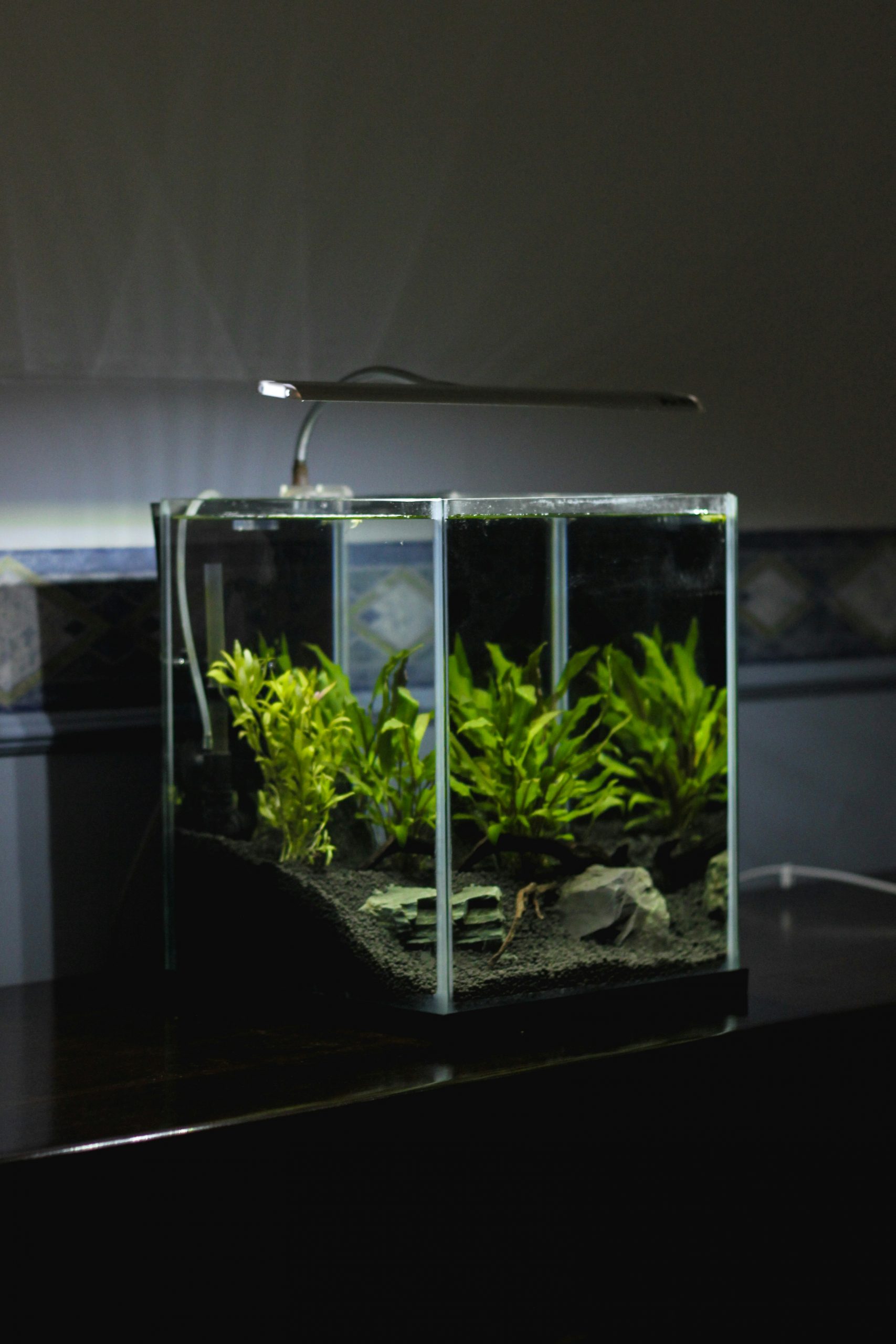 December aquarium maintenance stays simple when you focus on small, meaningful tasks. With a few quick checkups, you can support stable water quality, plus healthier fish and plants, without disrupting your established aquarium routine.
Quick Guide
- Check Your Food Quality
- Do Gentle Plant Trims
- Observe Seasonal Fish Behavior
- Review Your Lighting Schedule
- Plan Thoughtfully for the New Year
1. December Aquarium Maintenance: Check Your Food Quality
Food freshness plays a major role in water quality, nutrient balance, and fish health. Even experienced hobbyists can overlook how quickly fish food declines after opening—especially in winter, when indoor humidity and temperature shifts can affect stored foods more than expected.
- Check for clumping or moisture exposure: pellets should remain firm; flakes should stay crisp.
- Look for mold or surface fuzz: especially with plant-based or high-protein foods.
- Watch for oxidation: dusty, stale-smelling food indicates nutrient loss.
- Confirm feeding volume: feed only what fish finish in 20–30 seconds to avoid cloudy water.
- Match food type to livestock: ensure pellet sizes and formats still fit your community.
Shop Fresh Options: Fish Foods at Quinn’s Fins
2. Gentle Plant Trims for Winter Aquarium Care
During winter, many aquarium plants grow more slowly due to seasonal light changes and mild room-temperature variation.
A light trim now helps maintain healthier stems, better water flow, and balanced nutrient uptake.
- Remove declining leaves: melting or yellowing foliage can fuel algae.
- Address dense areas: thin spots that choke circulation or block light.
- Identify slow-growers: crypts may melt; Aponogeton may briefly enter dormancy.
- Check for deficiencies: pale new growth often indicates low nitrogen or iron.
Easy Plant Additions: 5 for $20 Live Plant Pack
3. Observe Seasonal Behavior for Cold-Season Aquarium Maintenance
Your fish’s behavior is often the clearest indicator of overall tank stability.
Seasonal changes—like subtle temperature variation and shifts in household lighting—can influence fish activity.
- Watch shoaling patterns: comfort level can show in formation changes.
- Look for surface behavior: indoor dryness increases water evaporation and surface tension.
- Note temperature-driven shifts: some species show mild breeding cues during cooler cycles.
- Check social dynamics: winter light and temperature variability can alter fish territories.
Compatible Additions: Live Fish at Quinn’s Fins
4. Lighting & Photoperiod Tips for Seasonal Aquarium Maintenance
As natural daylight weakens, aquariums may appear dimmer.
A consistent photoperiod helps fish and plants maintain stable routines throughout December.
- Set a predictable cycle: 6–8 hours suits most planted tanks.
- Use a timer: prevents accidental extended light periods from holiday decor.
- Watch for algae triggers: extended artificial light periods can increase algae growth.
- Check for LED aging: output fades gradually and becomes noticeable in winter.
5. Plan Thoughtfully for Ongoing Aquarium Maintenance
December is a practical time to assess your aquarium’s needs for the year ahead.
Planning ahead supports stable long-term care.
- Refresh aging foods: maintain consistent nutrition and water clarity.
- Add stabilizer plants: hardy growers help absorb nutrients during seasonal slowdowns.
- Review stocking plans: confirm compatibility based on tank behavior and filtration.
- Evaluate equipment: check heaters, filters, and air pumps for wear.
Plan Your Next Steps: Visit Quinn’s Fins
