Description
Weeping Moss for Sale — The Cascading Moss That Creates Miniature Weeping Willow Trees on Driftwood
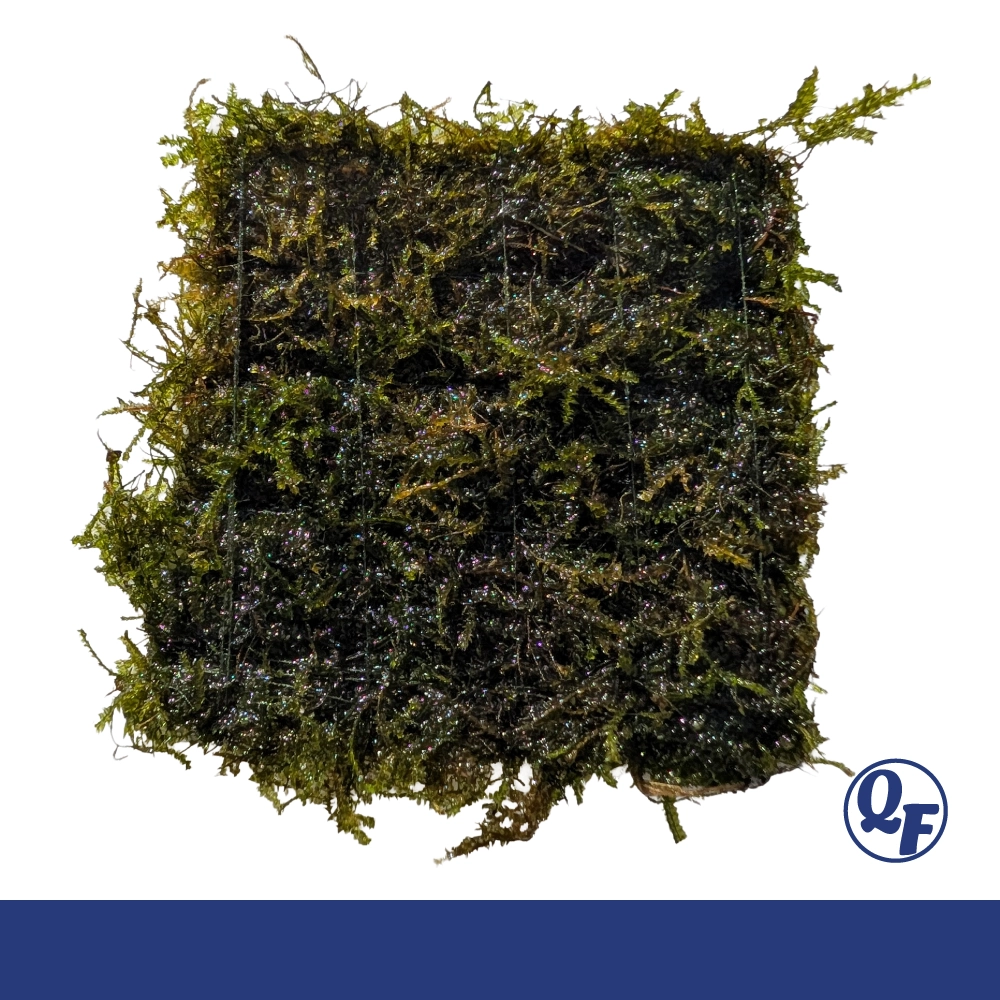
If you’ve been searching for Weeping Moss for sale, Quinn’s Fins offers Vesicularia ferriei pre-grown on a convenient 3″×3″ mat ready for immediate placement. Weeping Moss is one of the most visually distinctive aquarium mosses available — and the secret to its appeal lies in a single, simple difference from every other common moss species: it grows downward. Where Java Moss spreads outward in chaotic bushy clumps and Christmas Moss layers in flat triangular fronds, Weeping Moss drapes and cascades in a graceful downward pattern that genuinely resembles the hanging branches of a miniature weeping willow tree. Native to China, this distinctive growth habit makes Weeping Moss the single best moss species for creating dramatic “moss tree” effects on driftwood — attach it to the upper branches of an upright piece of spiderwood or branching driftwood and watch it cascade downward over weeks and months, transforming a simple piece of wood into a living miniature tree canopy. Our pre-grown 3″×3″ mat (SKU 6137, $10.99) delivers an established patch ready to attach directly to your hardscape — no waiting for tiny fragments to grow into a full cascading curtain.
Why Weeping Moss for Sale Is the Definitive Choice for Driftwood Tree Aquascapes
Weeping Moss occupies a singular niche in the aquarium moss world — it is the moss aquascapers reach for specifically when they want a cascading, draping effect that no other species can replicate as convincingly.
- Distinctive downward-drooping growth — the only common aquarium moss species that grows predominantly downward rather than outward or upward
- Resembles a miniature weeping willow tree — creates the signature “moss tree” effect prized by nature-style aquascapers
- Pre-grown 3″×3″ mat — established and ready to attach directly to driftwood; skip the slow startup wait
- Soft, fleshy, teardrop-shaped fronds in vibrant light green — attractive in their own right even before the cascading effect develops
- Low to medium light tolerant — performs well without high-output lighting
- Active nitrate absorber — helps maintain cleaner water as it grows
- Excellent shrimp tank moss — dense cascading fronds provide outstanding hiding spots, grazing surfaces, and breeding sites for shrimp and fry
- Versatile — also performs well in paludariums and ripariums, cascading from above the waterline into the water below
Growing Weeping Moss — Care at a Glance
Attachment — Never Plant in Substrate
Weeping Moss has no true root system — it anchors to hard surfaces via rhizoids and should never be planted directly into substrate. The fastest and most reliable attachment method is a thin line of aquarium-safe cyanoacrylate gel super glue applied to driftwood or rock, with the moss pressed on and held for 10–15 seconds. Alternatively, wrap thin cotton thread around the moss and hardscape — the thread dissolves naturally over 4–6 weeks, by which time the moss has anchored itself. For permanent attachment, clear monofilament fishing line works well and becomes invisible once the moss fills in.
Building a Weeping Moss Tree
The signature use of Weeping Moss is creating a “moss tree” — select an upright piece of branching driftwood (spiderwood is ideal) and attach Weeping Moss to the upper branches using super glue gel or cotton thread. Apply the moss in a thin, even layer rather than thick clumps — thick clumps prevent the inner portions from receiving adequate light, causing die-off underneath while only the outer layer thrives. A thin application fills in more quickly and stays healthier over time. Over several weeks, the moss begins to drape downward from the branches, gradually creating a convincing miniature tree canopy effect that is the hallmark of nature-style aquascaping.
Light
Weeping Moss thrives under low to medium lighting. Too much light can actually cause problems — excessive lighting encourages algae growth directly on the moss fronds, which is difficult to remove without damaging the delicate plant tissue. Moderate, consistent lighting without excessive intensity produces the healthiest growth and the most attractive cascading effect.
Water Parameters
- Temperature: 68–82°F (20–28°C)
- pH: 6.0–7.5
- Hardness: 0–15 dGH
- CO2: Not required; roughly doubles growth rate when added (0.5–1″/month without CO2; 1–2″/month with CO2)
- Flow: Moderate, steady current recommended
Growth Rate
Weeping Moss is one of the slower-growing aquarium mosses compared to fast spreaders like Java Moss. Without CO2, expect approximately 0.5 to 1 inch of new growth per month. With CO2 supplementation and good lighting, growth can double to 1 to 2 inches per month. This moderate pace is part of what keeps the cascading “tree” effect looking neat and structured rather than overgrown and messy.
Trimming and Troubleshooting
Trim periodically to maintain the desired cascading shape and encourage denser growth — trimming the leading edges of the drooping fronds promotes fuller branching over time. If Weeping Moss turns yellow, this typically signals a nutrient deficiency — add a complete liquid aquatic fertilizer to address it. If the moss turns brown, it likely is not receiving enough light or water conditions have drifted outside its preferred range — check lighting and stabilize parameters. Black spots can indicate fungal or bacterial issues — remove affected sections promptly and treat the aquarium as needed.
Propagation
Weeping Moss propagates easily by physical division — separate a healthy clump into smaller portions and attach each to new hardscape using the same glue or thread method described above. Once established in an aquarium, Weeping Moss grows plentifully enough that most aquarists find themselves with extra moss to divide and share or expand into other tanks within several months.
Design Use
Weeping Moss is most impactful when attached to upright branching driftwood positioned as a centerpiece, where its downward cascade creates the appearance of a living miniature tree. It also works beautifully attached to overhanging rock ledges or “cliffs” to create a trailing waterfall effect, or sandwiched between mesh panels along the back wall for a softer, draping moss curtain. In shrimp tanks, the dense cascading fronds provide some of the best hiding, grazing, and breeding habitat available from any moss species.
Nursery-Grown at Quinn’s Fins
Every Weeping Moss mat for sale at Quinn’s Fins is grown in our on-site nursery greenhouse — not drop-shipped or bulk-sourced. We grow what we sell.
For more on growing Weeping Moss and other aquarium mosses, visit the 2Hr Aquarist’s aquarium moss care guides or browse our full selection of aquatic plants at Quinn’s Fins.
Weeping Moss Plant Details
| Botanical Name | Vesicularia ferriei |
| Common Names | Weeping Moss |
| Family | Hypnaceae |
| Native Range | China |
| Growth Habit | Downward-drooping, cascading — resembles a miniature weeping willow tree |
| Max Height | ~3 cm (1.2 inches) |
| Max Spread | Up to 15 cm (6 inches) |
| Growth Rate | 0.5–1″/month without CO2; 1–2″/month with CO2 |
| Light Requirement | Low to medium — excess light causes algae buildup on fronds |
| CO2 | Not required; improves density and growth speed |
| Temperature | 68–82°F (20–28°C) |
| pH | 6.0–7.5 |
| Attachment | Rhizoids — superglue gel, cotton thread, or fishing line; never bury in substrate |
| Shrimp Safe | Yes — excellent hiding, grazing, and breeding habitat |
| Suitable For | Aquariums, shrimp tanks, paludariums, ripariums |
| Difficulty | Easy to moderate — beginner-friendly with consistent conditions |
| Format | 3″×3″ Mat — pre-grown for instant placement |
| SKU | 6137 |
| Price | $10.99 |