Description
Japanese Iris for Sale — 500 Years of Floral Perfection at Your Pond Edge
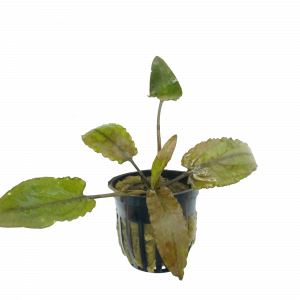
If you’ve been searching for Japanese iris for sale, Quinn’s Fins grows Iris ensata (syn. Iris kaempferi) — commonly known as Japanese Water Iris or Hanashobu — right here in our on-site nursery greenhouse. This legendary perennial is among the most refined and sought-after flowering plants in the world of water gardening. Cultivated and hybridized in Japan for over 500 years, Japanese iris produces enormous orchid-like blooms of breathtaking complexity — broad, graceful petals in rich shades of purple, violet, blue, and white, rising on tall stems well above a dense clump of sword-like green foliage at the height of early summer. Each flower can reach 6 to 8 inches across, creating a display of floral sophistication that no other pond marginal approaches. Japanese iris for sale at Quinn’s Fins arrives in a 2″ pot, nursery-grown and ready to establish at your pond margin or in a bog garden setting.
Why Pond Keepers Choose Japanese Iris for Sale
Japanese iris occupies a unique category in the pond plant world — a plant with a 500-year history of cultivation, an extraordinary range of flower forms and colors, and a growing habit perfectly suited to the wet, acidic conditions of pond margins and bog gardens.
- Enormous orchid-like blooms up to 6–8″ across — among the largest and most intricate flowers of any pond marginal
- Rich shades of purple, violet, blue, and white — a broader color palette than most other aquatic irises
- Tall stems 28–36″ — dramatic vertical height that elevates blooms high above the pond edge
- Blooms early to mid-summer — fills the seasonal bloom window after spring-blooming marginals have finished
- Elegant sword-like foliage provides attractive structure year-round, even out of bloom
- Hardy in Zones 4–9 — reliably perennial across a wide range of climates
- Deer resistant — foliage is unpalatable to browsing animals
- Attracts bees, butterflies, and hummingbirds — strong pollinator value during the summer bloom period
Growing Japanese Iris — Care at a Glance
Light
Japanese iris performs best in full sun to part shade. Full sun produces the most vigorous growth and the most prolific, vivid blooming. In hotter climates (Zones 7–9), light afternoon shade prevents heat stress and extends the bloom period. Avoid deep shade — flowering will be minimal and growth will be weak.
Water, Soil & Critical Planting Note
Japanese iris prefers consistently moist to wet, acidic, humus-rich soil. It thrives at pond margins, in bog gardens, and in moist garden borders. Unlike many aquatic irises, Japanese iris generally performs best with its crown in moist soil rather than submerged in standing water — deep submersion can cause crown rot. It may tolerate very shallow water (up to 1–2 inches over the crown) in moving water or streambed conditions, but moist boggy soil is the preferred planting environment. Avoid hot desert climates — this iris requires moisture and does not perform well in extremely arid conditions.
Soil pH
Japanese iris has a strong preference for acidic soil (pH 5.5–6.5). In alkaline soils, apply sulfur or acidifying fertilizer to lower pH before planting. Avoid lime or wood ash near plantings. Humus-rich, organically amended soil produces the strongest growth and most prolific blooming.
Hardiness & Overwintering
Japanese iris is hardy in USDA Zones 4–9. Established plants die back in winter and return reliably from the rhizome each spring. No special overwintering care is needed in most climates. In Zones 4–5, a light mulch layer over the crown through winter provides added protection.
Bloom & Maintenance
Japanese iris blooms in early to mid-summer, with each flower lasting 2–3 days but replaced continuously by new buds over a 2–3 week bloom period. Deadhead spent flowers to keep plants tidy. After blooming, trim back foliage if desired. Divide established clumps every 2–3 years in early autumn after flowering — overcrowded clumps produce progressively fewer blooms. Replant divisions immediately at the same depth in freshly amended acidic soil.
Toxicity Note
All parts of Iris ensata are mildly toxic and irritating to skin and eyes. Keep away from children and pets. Wear gloves when handling rhizomes and wash hands thoroughly after planting or dividing.
Nursery-Grown at Quinn’s Fins
Every Japanese iris for sale at Quinn’s Fins is grown right here in our on-site nursery greenhouse — not drop-shipped or bulk-sourced. Your plant arrives in a 2″ pot, rooted and healthy, ready for a smooth transition into your pond margin or bog garden. We grow what we sell.
For more on growing Japanese iris in ponds and water gardens, visit the Gardenia.net Japanese Iris care guide or browse our full selection of pond and water garden plants at Quinn’s Fins.
Japanese Iris Plant Details
| Botanical Name | Iris ensata (syn. Iris kaempferi) |
| Common Names | Japanese Iris, Japanese Water Iris, Hanashobu |
| USDA Hardiness Zones | 4–9 |
| Mature Height | 28–36″ |
| Spread | 12–24″ |
| Flower Color | Purple, violet, blue, white (variety dependent) |
| Flower Size | Up to 6–8″ across |
| Bloom Time | Early to mid-summer |
| Pot Size | 2″ |
| Light | Full sun to part shade |
| Water | Moist to wet boggy soil — crown should not be submerged |
| Soil pH | Acidic preferred (5.5–6.5) |
| Deer Resistant | Yes |
| Toxicity | Mildly toxic and skin irritant — use gloves when handling |
| Wildlife Value | Bees, butterflies, hummingbirds |
| Native Range | Japan |
| Life Cycle | Hardy rhizomatous perennial |
| SKU | 6096 |