
Description
Bloody Dock Makes a Statement With One of Nature’s Most Striking Leaves
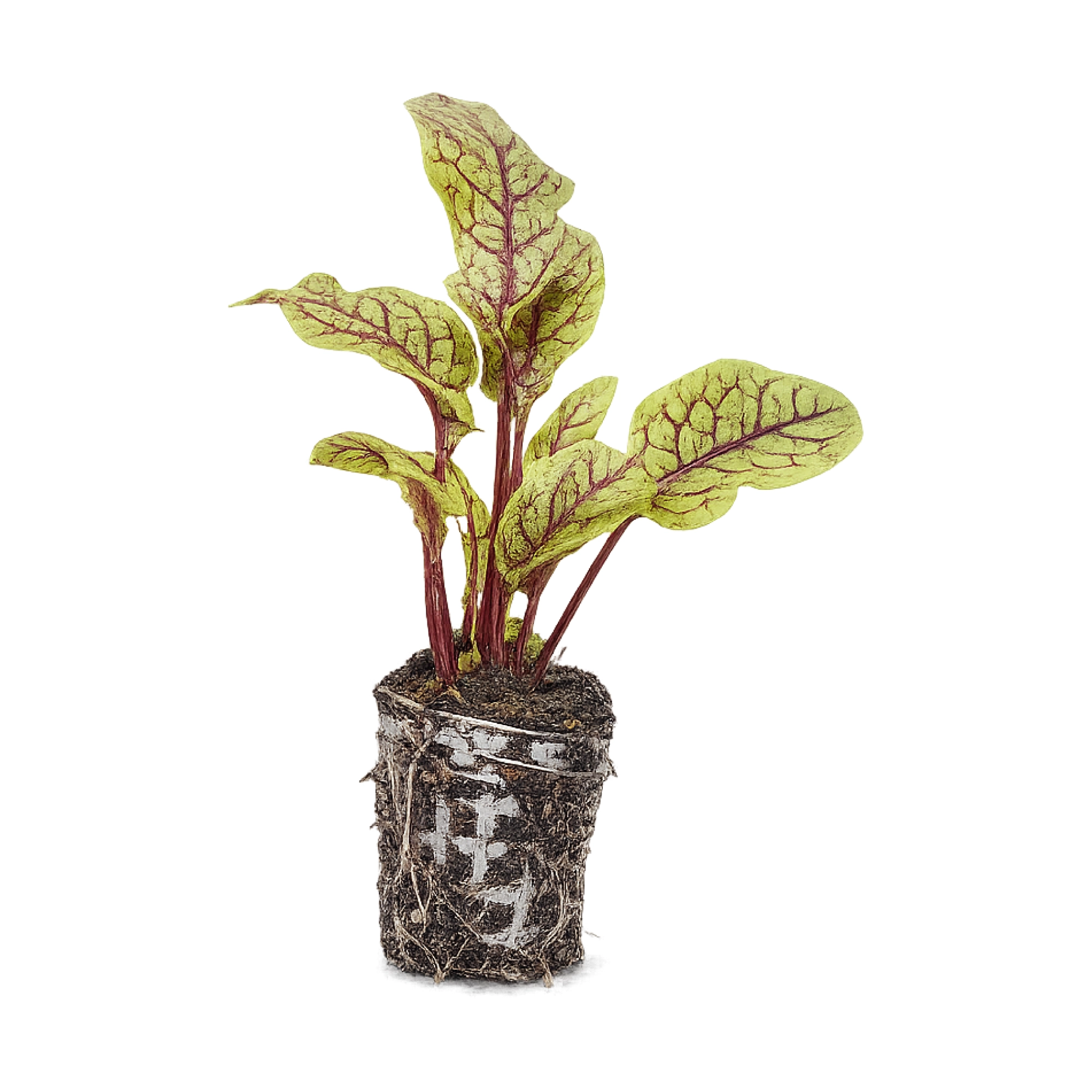
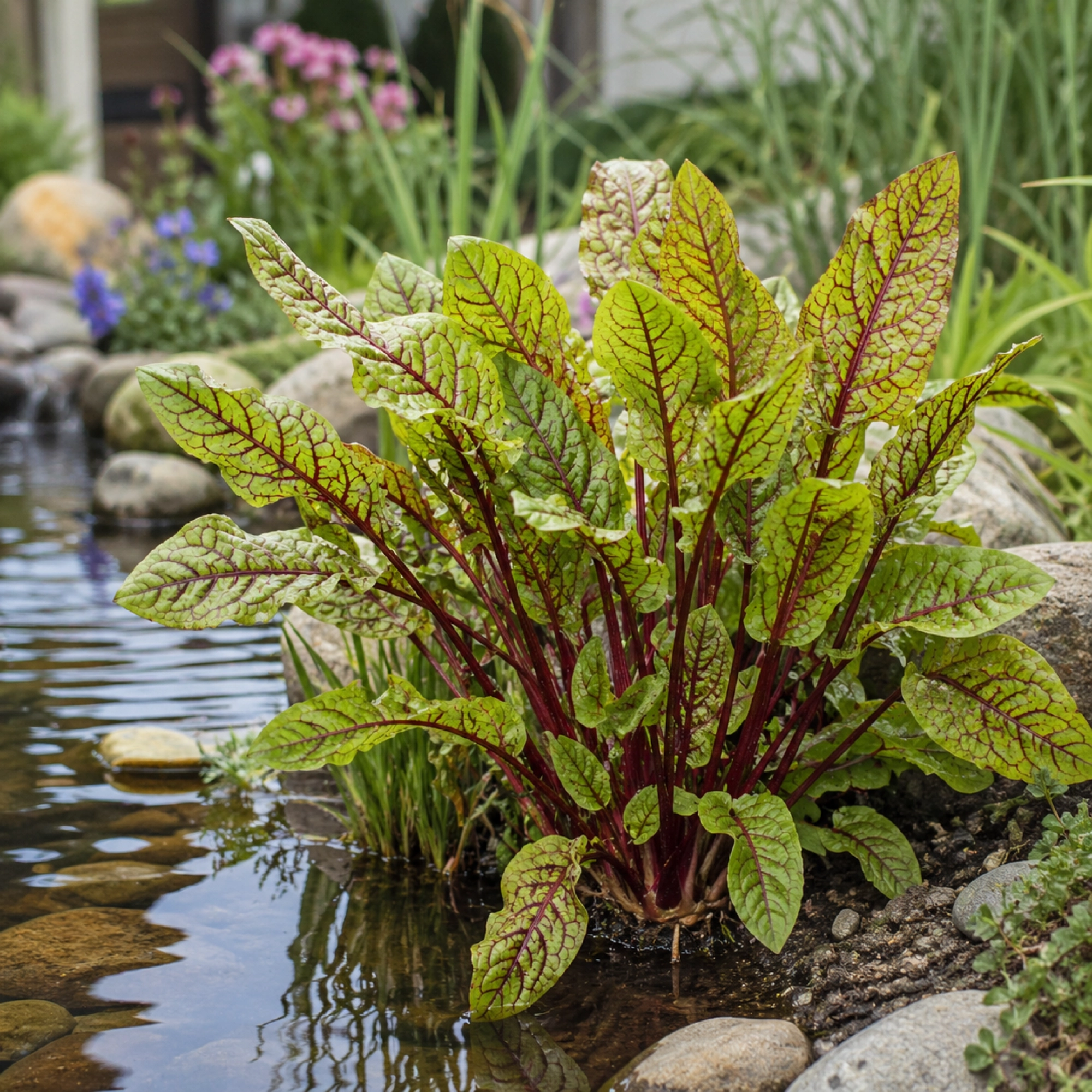
Bloody Dock (Rumex sanguineus) — also known as Red Vein Dock or Bloodwort — is one of the most visually dramatic foliage plants available for pond edges, water gardens, and moist garden borders. Its broad, lance-shaped leaves are deep green splashed with a vivid network of crimson and burgundy veining that intensifies under strong light. It looks hand-painted, and it earns every inch of space you give it.
Why Gardeners Choose Bloody Dock
Bloody Dock delivers bold, year-round textural interest with almost no effort. Unlike many ornamentals that demand constant attention, this plant thrives on neglect as long as moisture is consistent. It’s a top choice for pond margins, rain gardens, and any landscape spot where the soil stays reliably damp.
- Striking deep red and purple leaf veining — highly photogenic
- Thrives at pond edges or submerged up to 1″ deep in water gardens
- Clumping, non-spreading habit — stays where you put it with basic flower stalk removal
- Fast-growing and long-lived — can thrive for up to 5 years under ideal conditions
- Deer tend to avoid it — a practical bonus in rural and suburban gardens
Growing Bloody Dock — Care at a Glance
Light
Bloody Dock performs in full sun to partial shade. Leaf vein coloration is most vivid with more light — if you want the deepest red tones, plant it where it gets at least 4–6 hours of direct sun daily.
Water & Soil
This plant wants consistently moist conditions. It grows equally well in rich garden soil, heavy clay, loam, or sandy mix — adaptability is one of its strongest traits. It also performs beautifully planted directly in shallow water up to 1″ deep, making it an excellent choice for pond margins and bog gardens.
Hardiness & Overwintering
Bloody Dock is hardy in USDA Zones 4–9. Established plants die back to the ground in winter and return reliably from their deep taproot each spring. In colder zones (4–5), a light layer of mulch over the crown offers added insurance during severe winters.
Maintenance
Remove flower stalks before they set seed. Left unchecked, Bloody Dock self-seeds readily and can spread beyond its intended area. Beyond that, this is a genuinely low-maintenance plant.
Bloody Dock as an Edible Herb
Young Bloody Dock leaves are edible raw or lightly cooked — tangy, slightly lemony, and often compared to spinach or chard. They make a flavorful addition to spring salads or can be wilted as a side green early in the season. As leaves mature through summer they become more bitter and tough, so harvest young for the best culinary experience.
Note: Like spinach and chard, Bloody Dock contains oxalic acid and should be consumed in moderate quantities. Those with kidney concerns or sensitivities to oxalates should consult a healthcare provider before eating it regularly.
For more on growing edible marginal plants, visit the University of Wisconsin Extension’s Bloody Dock guide or browse our full selection of pond and marginal plants.
Nursery-Grown at Quinn’s Fins
Every Bloody Dock we ship is grown right here in our on-site nursery greenhouse — not drop-shipped, not bulk-sourced from a wholesale broker. Your plant arrives in a 2″ pot at 6–10″ tall: rooted, healthy, and acclimated for a smooth transition into your garden or water feature. We grow what we sell.
Bloody Dock Plant Details
| Botanical Name | Rumex sanguineus |
| Common Names | Bloody Dock, Red Vein Dock, Bloodwort |
| USDA Hardiness Zones | 4–9 |
| Mature Height | 12–18″ |
| Pot Size | 2″ |
| Ships At | 6–10″ tall |
| Light | Full sun to partial shade |
| Water | Moist soil; tolerates up to 1″ water depth |
| Soil | Clay, loam, or sandy; moist to boggy |
| Life Cycle | Herbaceous perennial |
| Edible | Yes — young leaves (moderate quantities) |
| SKU | 6068 |